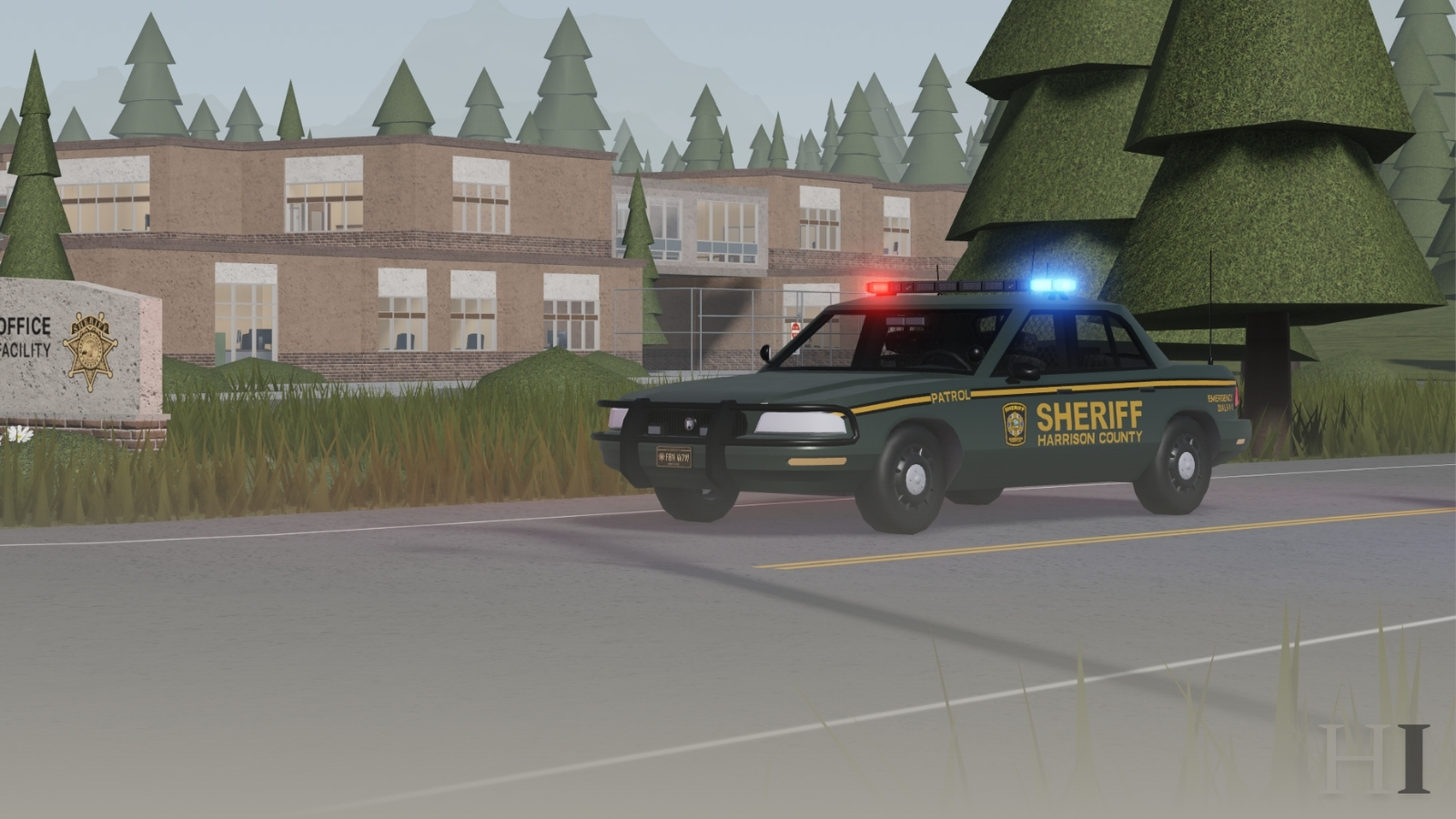
More than a week after publicly addressing the outcome of its first Peace Officer Certification cohort, the Law Enforcement Standards and Training Academy (LESTA) has yet to lay out a clear timeline for its next class — leaving Harrison County’s law enforcement agencies to continue managing a well-documented officer shortage with little visibility into when reinforcements might actually be certified.
What Happened
LESTA opened enrollment for its first Peace Officer Certification cohort from July 31st through August 16th, with the cohort itself running in session from August 18th through September 7th. Under the certification standard in place at the time — a composite score of 80%, weighted 20% Assessments, 30% Theoretical Examination, and 50% Field Examination — only 2 of the class’s 15 candidates passed.
Following that outcome, LESTA said it consulted with community administration and lowered the certification threshold to 70%, a change the Academy said reflected “a considered judgment, informed by candidate performance data and community input,” rather than a lowering of standards for its own sake.
LESTA addressed the matter publicly in a statement dated September 9th, in which Academy Director Zedronius defended both the certification threshold and a separate internal comment, in which Zedronius had reportedly described the class as one that “sucks,” which the director said was made informally and taken out of context.
It is true that Harrison County faces a shortage of peace officers, and this shortage is part of the reason LESTA commenced with Class 1.
The statement also directly acknowledged the county’s staffing crunch: “It is true that Harrison County faces a shortage of peace officers, and this shortage is part of the reason LESTA commenced with Class 1,” the Academy wrote, while maintaining that it “will not compromise its certification standards to address it” — even as the Academy took a considerable amount of time to stand up that first class at all.
The Silence Since
Since that September 9th statement, LESTA has not issued any further public update — no confirmation on any updates of enrollment, no changes to how the Academy is structured, no announced start date for a second cohort, and no indication of how the Academy intends to scale its pipeline to meet a shortage it has itself acknowledged as significant.
For a community that, by its own District Attorney’s admission, “confronts a very high volume of violent crime that few communities of comparable size are tasked with managing,” an extended silence following the end of one certification cycle, with no visible sign of the next, raises real questions about whether LESTA’s pace is matched to the urgency of the problem it exists to help solve.
LESTA is right to insist that certification standards shouldn’t bend simply to fill seats — an under-trained officer helps no one, and the Academy’s caution on that point is reasonable on its face. But a training pipeline that produced two certified officers out of fifteen candidates in its first cohort, and has offered no public word on next steps since, is not obviously built for the scale of need the county is actually facing. Standards and speed are not inherently at odds — but LESTA has yet to show the public how it plans to deliver both.
This is a developing story.